
Clean Skin, Clear Conscience: Why Conscious Beauty Is More Than a Trend
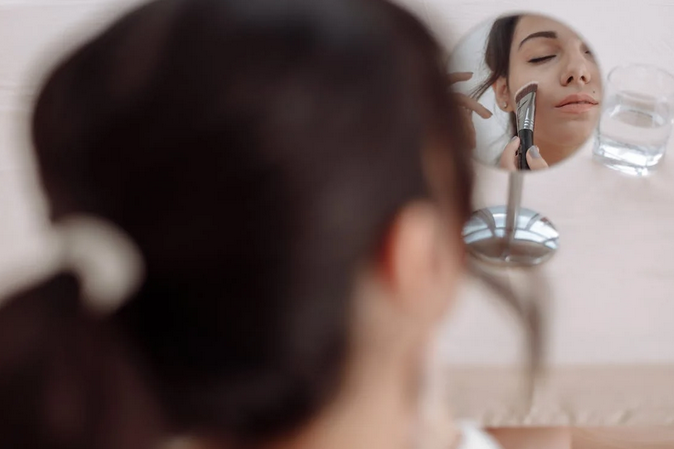
Ever looked at your makeup bag and felt a pang of guilt about the plastic tubes, overstuffed drawers, or impulse buys you barely touched? Here’s a hard pill to swallow. The beauty industry has glam, yes. But it also has a waste problem. It’s why more people are starting to explore this article on conscious beauty efforts and rethink what “looking good” really costs.
Green Labels Aren’t Always Green Behavior
Just because something says “eco” or “clean” on the label doesn’t mean it’s helping the planet. Many brands jump on the trend with slick packaging and vague claims. Meanwhile, their production process is anything but responsible. Buzzwords don’t mean much without transparency. What you want is proof. Does the brand explain their ingredient sourcing? Are their packaging choices recyclable, or just pretty to look at? A good rule of thumb: If a company brags more than it explains, dig deeper.
Too Much Choice Often Means Not Enough Use

We all have that one drawer. Packed with shades we swore we’d try, half-used serums, and ten near-identical nude lipsticks. It’s not just money that gets wasted; it’s more complex than that. It’s beyond materials, energy, and resources. The beauty cycle has become too fast. Constant launches. Seasonal edits. Limited drops. All feeding urgency that encourages overbuying. Conscious beauty presses pause. It asks: Do I need this? Will I use it? Does it align with what I care about?
The Packaging Problem Is Something No One Likes to Talk About
Here’s something that rarely makes it into brand campaigns: most beauty packaging is not recyclable. Mixed plastics. Laminates. Pumps that can’t be separated. They end up in landfills or worse, oceans. Some brands now offer refill systems, compostable wrappers, or take-back programs. These aren’t gimmicks. They’re solid steps forward.
Ingredients Matter More Than You Think

We’re taught to look at the active ingredients, the retinols, the peptides, the acids. But what about the fillers? The preservatives? The sourcing of each raw material? These often get overlooked, yet they have a major impact both on your skin and the environment.
Palm oil, for example, is found in countless products and contributes heavily to deforestation. Microbeads? Still lingering in some scrubs, despite their environmental harm. Even fragrance can be a red flag if it’s vaguely listed and synthetic-heavy. A conscious beauty routine means turning the box around and reading what’s actually inside.
Intention Is Everything
You don’t need to be a minimalist who makes DIY toner to care. Conscious beauty isn’t about guilt. It’s about thoughtfulness. Start small. Finish what you already have. Switch to a multi-use product. Choose brands that explain how they do better. That’s how real habits shift, quietly, practically, consistently.
And no, one lipstick won’t save the planet. But the decision you make with that purchase matters. Because, it adds up, and others are watching. Looking great shouldn’t come with a side of environmental regret. Beauty can still be expressive, joyful, even indulgent, without being careless.…