
Common Mistakes to Avoid When Dyeing Leather Shoes
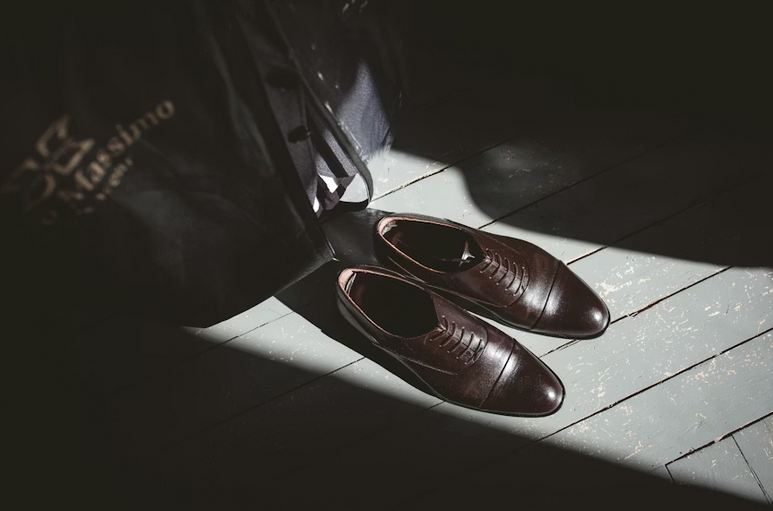
Dyeing leather shoes can dramatically transform their appearance, breathe new life into faded pairs, and allow for creative customization. However, many shoe enthusiasts make avoidable mistakes that compromise the outcome, leading to uneven color, damage to the leather, or a short-lived finish. For those aiming to revitalize their footwear, understanding common errors is essential. For instance, learning how to use Angelus Suede Dye to bring old boots back to life can save time and produce professional-looking results. In this guide, we explore the frequent mistakes in leather shoe dyeing and provide practical advice for avoiding them, helping both beginners and experienced crafters achieve smooth, lasting color.
Skipping Leather Preparation
A frequent error is neglecting to prepare the leather before applying dye. Dirt, oils, and old finishes create barriers that prevent dye from adhering evenly. Failing to clean and condition shoes beforehand often results in patchy color or blotches. Before starting, remove laces, wipe the leather with a damp cloth, and use a leather preparer or deglazer to strip previous coatings. Proper preparation ensures the dye penetrates evenly and produces a more vibrant, long-lasting finish. Taking the time to prep the leather is one of the simplest yet most effective ways to avoid disappointing results.
Using the Wrong Dye or Product

Choosing an inappropriate dye is another common pitfall. Some products are formulated for suede, nubuck, or smooth leather, and using the wrong type can damage the material or fail to achieve the desired effect. Selecting dyes intended explicitly for your leather type guarantees better absorption and durability. Products like Angelus Suede Dye are ideal for restoring older leather or changing colors on certain materials. Using unsuitable dyes can lead to streaking, cracking, or rapid fading, all of which are frustrating and often irreversible.
Applying Dye Too Quickly or Thickly
Many beginners make the mistake of applying dye in large amounts or rushing the process. Excessive dye can saturate the leather, causing uneven color and sticky spots, while applying too quickly increases the risk of streaks. The correct approach is to work in even, thin layers, allowing the coat to dry completely before applying the next. Patience and controlled application yield a smooth, consistent finish and reduce the likelihood of errors that require stripping and re-dyeing.
Ignoring Drying and Curing Time

Another frequent oversight is failing to allow adequate drying and curing time. Leather absorbs dye gradually, and attempting to wear or polish shoes before the dye sets can smudge the color or damage the surface. Leaving the shoes in a well-ventilated area for several hours—or even a day—between coats ensures that the dye bonds properly with the leather. Neglecting this step can result in uneven coloration, spots, and a weaker finish, undermining the effort put into the dyeing process.
Skipping Protective Finishes
After dyeing, many people forget to protect the leather with a sealant or conditioner. A protective finish safeguards the shoes from water, stains, and scuffing, while also enhancing color vibrancy. Without it, even perfectly applied dye can fade quickly and leave the leather vulnerable to damage. Applying a suitable leather finish or cream adds a layer of durability, extends the life of the color, and keeps the shoes looking freshly dyed for longer. Skipping this step is a common reason why dyed shoes may appear worn or uneven shortly after treatment.
Dyeing leather shoes is a rewarding way to revitalize worn footwear or create a personalized look, but avoiding common mistakes is essential for achieving professional results. Proper preparation, selecting the correct dye, applying in thin layers, allowing adequate drying, and using protective finishes are key steps that prevent frustration and damage. By following these guidelines, you can achieve an even, long-lasting color while preserving the integrity of the leather. Thoughtful care during the dyeing process ensures that your shoes remain vibrant, durable, and stylish for years to come.…